3M Aura 9320+ FFP2 vs 3M Aura 9332+ FFP3: Which Respirator Protects Your UK Team Better?
Introduction
Picture your construction crew sanding concrete, unaware that silica dust damages their lungs. In the UK, this drives around 13,000 occupational lung disease cases yearly, many from poor respiratory protection. As a safety manager, you can prevent it.
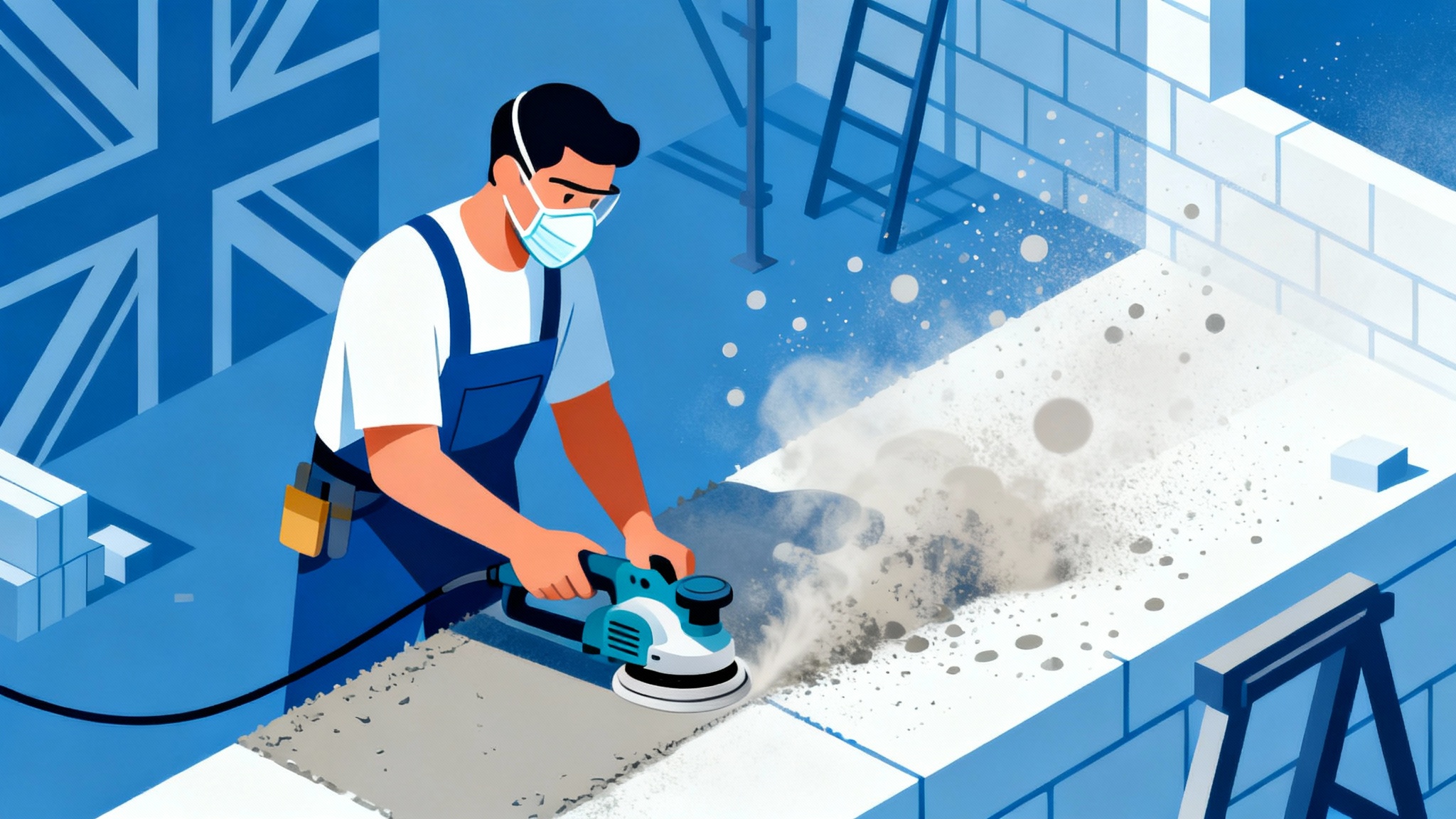
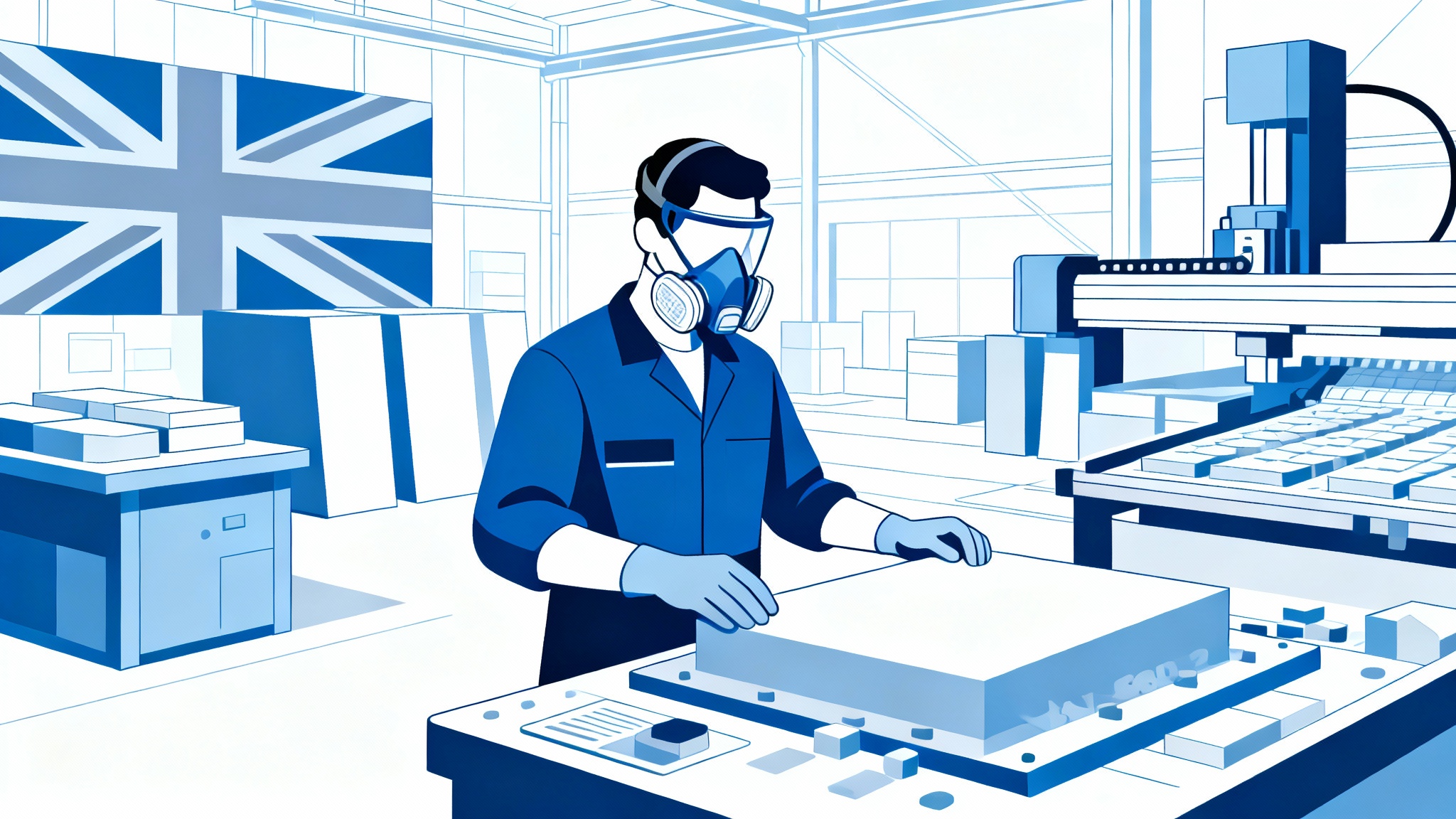
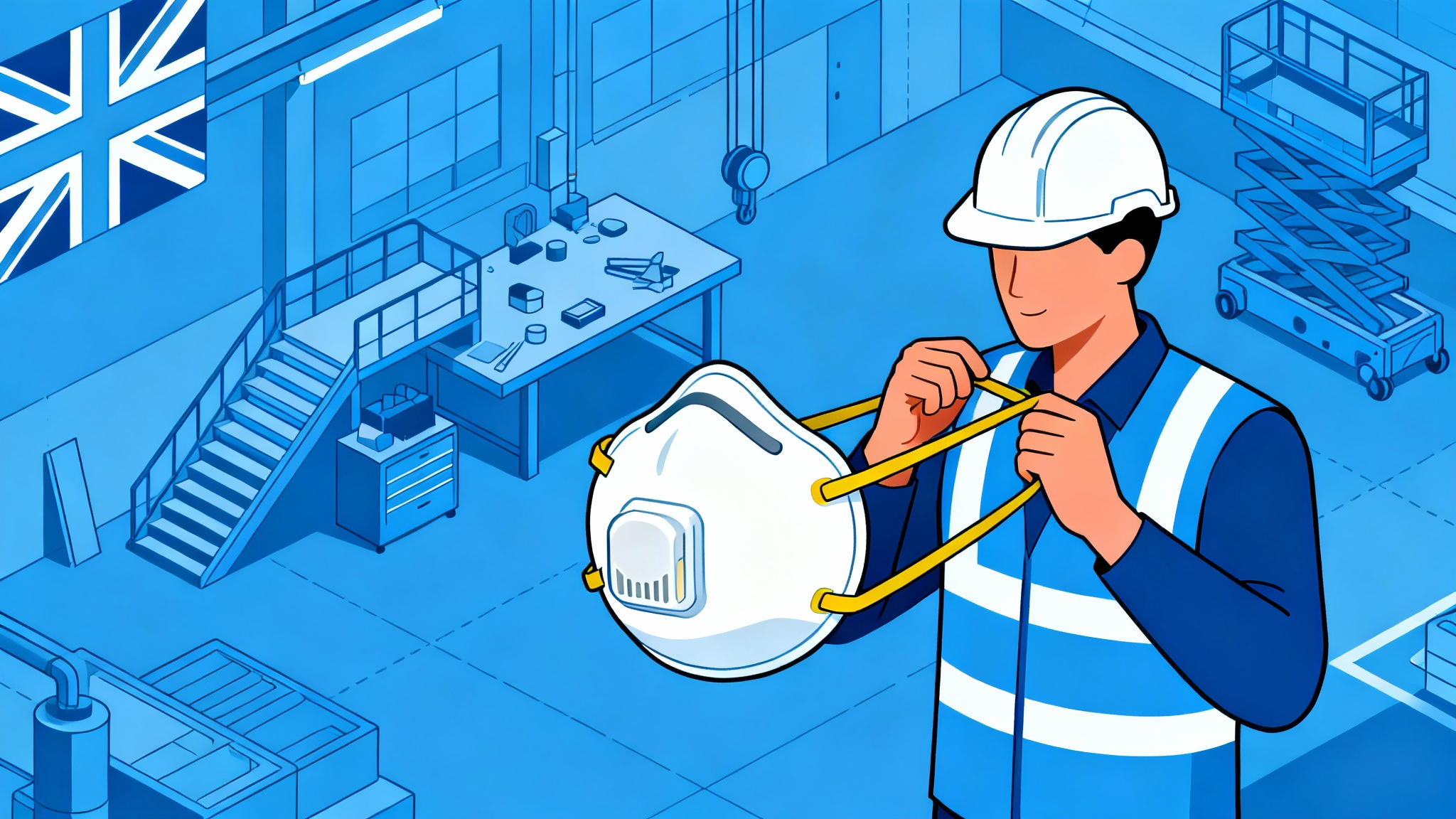
We compare the 3M Aura 9320+ FFP2 and 3M Aura 9332+ FFP3 disposable respirators. The FFP3 model doubles protection, with an Assigned Protection Factor (APF) of 20 versus 10. Select wisely to shield workers from dust, fumes, and fibres in high-risk sectors like manufacturing and construction.
Why Respiratory Protection Matters in UK Workplaces
Hazardous substances affect 1.5 million UK workplaces, with dust and fumes as top threats. Without proper respiratory protective equipment (RPE), workers risk irreversible conditions like silicosis or asthma.
HSE data shows construction and manufacturing account for 60% of RPE incidents. Silica dust often exceeds the Workplace Exposure Limit (WEL) of 0.1 mg/m³ over eight hours. Ignore this, and you face health risks plus fines under UK law.
Post-COVID, UK disposable respirator imports rose 25% in 2023. 3M holds 40% market share for FFP2 and FFP3, ensuring reliable supply. Protection begins with matching the level to your site's risks.
FFP2 vs FFP3 Protection Levels
FFP means Filtering Facepiece, the UK standard for disposable particle masks. Both levels meet BS EN 149:2001+A1:2009, but filtration differs.
The 3M Aura 9320+ FFP2 filters at least 94% of airborne particles. It suits low-to-medium risks, like general dust below 10 times the WEL, with an APF of 10—reducing exposure to one-tenth of ambient levels when fitted correctly.
The 3M Aura 9332+ FFP3 filters 99% of particles. It offers an APF of 20, ideal for hazards like welding fumes or nanoparticles. FFP3 halves particles reaching the lungs compared to FFP2, vital when exposures rise.
FFP2 acts like a sturdy umbrella in light rain; FFP3 is a full raincoat for downpours. HSE requires matching the level to your hazard assessment to prevent under-protection.
UK Regulations and Standards for Disposable Respirators
COSHH Regulations 2002 require assessing risks from hazardous substances and providing RPE if engineering controls fail. For exposures at or above 10 times the WEL, use FFP3—FFP2 falls short.
The Control of Asbestos Regulations 2012 mandate FFP3 for non-licensed work when fibres exceed 0.1 per ml. FFP2 violates this, risking fines up to £20,000 per breach.
Both 3M Aura models bear UKCA marking, valid post-Brexit in Great Britain. CE-marked stock remains usable until 2024 or depletion. HSE's EH40/2005 (updated 2020) sets WELs, such as 4 mg/m³ for inhalable general dust—use the COSHH Essentials scheme to select RPE.
HSE INDG 479 demands fit testing. About 70% of UK workers need medium/large sizes, so perform qualitative (Bitrex) or quantitative (Portacount) tests for a tight seal. Poor fit causes 50% of RPE failures, per HSE.
Technical Comparison: 3M Aura 9320+ FFP2 and 9332+ FFP3
Both feature 3M's 3-panel flat-fold design for easy storage and donning. They use electret filter media with a 5-year shelf life, suiting UK stock rotation every 3 years per BSIF.
The 9320+ FFP2 excels in comfort for short tasks. Its breathing resistance—105 Pa inhalation, 110 Pa exhalation—stays low without a valve. Adjustable headbands and chin seal limit total inward leakage to under 11%. At £175.22 per pack of 20 from 27 UK suppliers, it controls routine dust cost-effectively.
The 9332+ FFP3 filters 99% of particles up to 0.3 microns, including oil- and non-oil-based ones, with dolomite dust penetration below 1%. Its Cool Flow exhalation valve cuts resistance to 130 Pa inhalation and 20 Pa exhalation, easing long shifts. Priced at £172.46 per pack of 20 from 19 suppliers, source it from Best4Safety for next-day UK delivery.
Performance in Real UK Scenarios
In woodworking, COSHH Essentials E3 recommends FFP3 for exposures over 2 mg/m³. The 9332+'s valve supports hours of sawing; the unvalved 9320+ fits quick clean-ups.
For construction sanding with high silica, FFP3 prevents silicosis. Post-Grenfell audits require weekly RPE checks—both models comply, but 9332+ better handles nanoparticles from welding or pharmaceuticals.
Neither works in oxygen-deficient air below 19.5% O2, per COSHH. For healthcare biohazards like TB, HTM 03-01 specifies FFP3. Limit 9320+ wear to one hour without breaks to avoid CO2 buildup.
Choosing and Implementing the Right Respirator
Conduct a hazard assessment with HSE's COSHH tools. Determine if risks—like general dust or asbestos—need FFP2's 94% filtration or FFP3's 99%.
For low-risk tasks under 10x WEL, choose 9320+ to cut costs and waste. For high-risk, select 9332+ to meet legal standards and support extended use. Combine RPE with local exhaust ventilation (LEV) in the control hierarchy.
Train users annually, per HSE, and provide 40 hours for safety managers on RPE programmes. Store in sealed bags to preserve filters; dispose after single use to avoid contamination, especially in healthcare.
UK suppliers simplify procurement. Ace Safetywear sells 9320+ at £8.76 per unit in bulk; Face Fit Safety bundles free fit testing. Audit weekly in construction and rotate stock to prevent expiry.
BSIF advises FFP3 for shifts over one hour due to lower breathing strain. Test fits annually—ensure clean-shaven seals to avoid leaks and lung disease risks.
Key Takeaways and Action Steps
FFP3 respirators like the 3M Aura 9332+ double FFP2 protection, filtering 99% versus 94% of particles. In UK sectors like construction, where 60% of incidents occur, this reduces lung disease risks.
COSHH and asbestos laws require the correct level—FFP3 for high exposures—with fit testing to counter 50% leakage rates.
Both 3M Aura models offer comfort and availability; align them with hazards for compliance and worker acceptance.
Act now: Assess your site using HSE's COSHH tools. Schedule fit tests this week. For high-risk tasks, order FFP3 from suppliers like Ace Safetywear or Best4Safety. Your team's lungs—and your compliance—depend on it.
Protect today for easier breathing tomorrow. What's your next step?
```