UK Construction Site Mask Requirements: Protecting Your Team from Deadly Dust
Introduction
Over 800 UK construction workers die each year from lung diseases caused by silica dust. With more than 2 million workers in the sector and output growing by 1.5% in 2023, dust and fumes threaten sites nationwide. Understanding mask requirements ensures compliance and saves lives, especially as HSE enforcement intensifies.
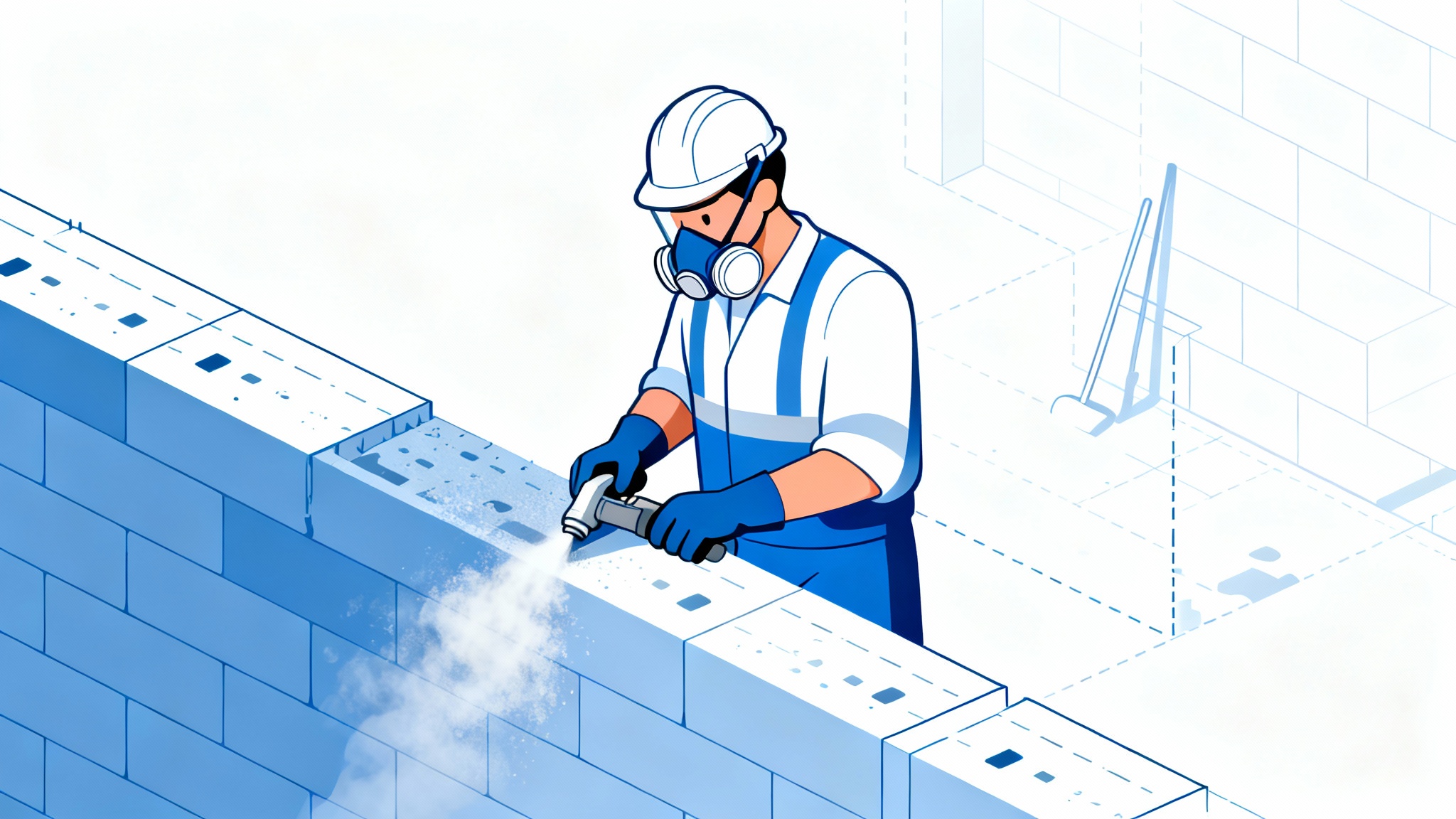
As a safety manager, you balance deadlines and budgets, but neglecting respiratory protective equipment (RPE) endangers your team. This post covers health risks, regulations, and practical steps. You will learn how to meet COSHH requirements and protect your crew.
The Health Risks of Dust and Fumes in UK Construction Sites
Silica dust from cutting concrete kills through lung scarring and cancer. In the UK, respiratory diseases claim around 4,000 construction lives annually, with silica behind over 800 deaths.
HSE data for 2022/23 shows 2,398 cases of breathing or lung problems in construction, plus 13 fatal injuries and 61,000 others linked to dust inhalation. Occupational asthma often stems from welding fumes or wood dust. Without proper masks, up to 85% of workers face respirable crystalline silica (RCS) exposure during grinding or drilling.
Over 500 workers die yearly from work-related lung disease, mostly RCS. Exposure exceeds the Workplace Exposure Limit (WEL) on 80% of unchecked sites. As site manager, your choices affect long-term health.
UK Regulations Governing Respiratory Protective Equipment (RPE) on Construction Sites
Under the Control of Substances Hazardous to Health (COSHH) Regulations 2002, assess risks from dust, fumes, and silica, then control them. If engineering controls like water suppression fail, provide RPE to keep exposure below the RCS WEL of 0.1 mg/m³ over eight hours. Compliance is mandatory.

The Construction (Design and Management) Regulations 2015 (CDM 2015) and Health and Safety at Work etc. Act 1974 assign responsibility to principal contractors. You must supply, fit-test, and maintain RPE. HSE fines can reach £20,000 per offence.
For asbestos, the Control of Asbestos Regulations 2012 require RPE with an Assigned Protection Factor (APF) of at least 20, such as full-face masks with P3 filters. All gear must carry UKCA marking post-Brexit. 2023 HSE updates strengthen RCS enforcement, prioritising health surveillance and RPE after elimination or enclosure.
The Personal Protective Equipment at Work Regulations 1992 demand selection based on hazards—FFP3 for silica over WEL. HSE inspections mandate RPE in 70% of high-dust tasks. Compliance safeguards your business and workers.
Types of RPE Approved for UK Construction Hazards
Disposables suit short jobs. UK standards under BS EN 149:2001+A1:2009 classify them as FFP1 (APF 4 for low dust), FFP2 (APF 10 for general grit), and FFP3 (APF 20 for silica or fumes). The 3M Aura 1873V+ FFP3, valved for comfort, filters over 99% of 0.3μm particles.
Reusable options endure repeated use. The 3M 6800 Full Face Respirator (Medium) meets BS EN 136 and pairs with BS EN 143 P3 filters like 3M 6035 for APF up to 40. For oil mists, use 3M 6038 P3 R filters. These protect against RCS particles under 5μm.
Asbestos requires full-face with P3 or powered air-purifying respirators (PAPR) for shifts over eight hours. All must be UKCA marked—source from 3M or Ace Safetywear. For wood dust, WELs are 5 mg/m³ (hardwood) or 3 mg/m³ (softwood), so use FFP3 where levels exceed limits.
Valved masks like 3M Aura 9332+ fit most sites but avoid in oxygen-deficient areas. UK suppliers offer 3M Aura 9330+ packs for around £649 from Best4Safety.
Quick Guide to RPE Types
- FFP2 (e.g., 3M Aura 9320+): For tasks under WEL, like light sanding; average cost £14.58 for basics like Omnitex FFP2 Black.
- FFP3 (e.g., 3M 1863+ or GVS Segre F31000): Essential for RCS cutting; £93.05 average, with 5-year shelf life.
- Reusable Full-Face (e.g., 3M 6800): For prolonged exposure; replace filters quarterly for peak efficiency.
How to Select and Fit-Test RPE for Effective Protection
Base selection on your COSHH assessment—FFP3 for silica over WEL; FFP2 for general dust. Choose valved for exhalation ease, but confirm no IDLH conditions.
Fit-testing is essential. HSE's HSG53 guidance requires annual tests or on changes, using qualitative taste tests for FFP2/3 or quantitative for reusables. A poor fit reduces protection by 90%.
Clean-shaven faces suit tight-fitting masks; beards require loose hoods under Equality Act 2010 adjustments. Test all workers, including those with neurodivergence. Use kits from 3M to prevent silicosis or COPD.
Monitor exposure with personal sampling pumps per COSHH. Upgrade to FFP3 if wood dust reaches 3 mg/m³. Proper selection and testing make RPE effective.
Best Practices for Implementing RPE in UK Workplaces
Follow HSE's hierarchy: suppress dust with water or enclosures first, then add RPE. For cutting, combine 3M Aura 9332+ FFP3 with eye protection, as Build UK recommends. Train teams on donning and doffing to maintain seals.
Store RPE clean and dry; disposables last five years sealed. Integrate into CDM 2015 plans with annual risk assessments. Bulk purchase from Ace Safetywear for competitive 3M pricing.
Address heat stress in UK summers up to 30°C with 15-minute hourly breaks and hydration, per HSE. Clean gear post-task to prevent cross-contamination; replace reusable filters quarterly. Use PAPR for comfort on long high-risk shifts.
Involve your crew: HSG53 training covers beard checks and maintenance. This fosters a safer site culture.
Take Action to Protect Your Team: Next Steps for Compliance and Safety
Dust kills, regulations demand action, and proper RPE saves lives. Conduct a COSHH assessment on your next project and stock FFP3 masks from UK suppliers. Schedule fit-tests this week to reduce risks.
Download HSE's dust control guide and train your team. Your actions could prevent the next silica death. Compliance builds your legacy as a leader who prioritises people.
Share this with site managers. For questions, consult HSE resources or a specialist. Ensure your sites breathe safely.